

Resolve Your TMJ Pain
Are you struggling with the discomfort of TMJ pain and seeking relief? The team at Parkside Physiotherapy and Rehabilitation Centre specializes in treating various TMJ-related injuries and conditions. Our evidence-based approach, backed by the latest peer-reviewed research, is designed to provide personalized care and support in overcoming TMJ pain.
TMJ, or temporomandibular joint, is the hinge that connects your jaw to the temporal bones of your skull, situated in front of each ear. This joint allows for the essential movements of your jaw, such as talking, chewing, and yawning.
Clinicians at Parkside Physiotherapy and Rehabilitation Centre play a vital role in managing TMJ pain, offering non-invasive and drug-free interventions to improve jaw function, decrease inflammation, and restore your quality of life.
TMJ pain can manifest in various ways, including temporomandibular joint disorder (TMD), myofascial pain, internal derangement, or degenerative joint disease, each requiring specialized interventions.
Our team is well-equipped to diagnose and treat these underlying issues, using proven techniques to alleviate pain and prevent future episodes. Don’t let TMJ pain hold you back from enjoying your daily activities.
Discover the Root of Your TMJ Pain
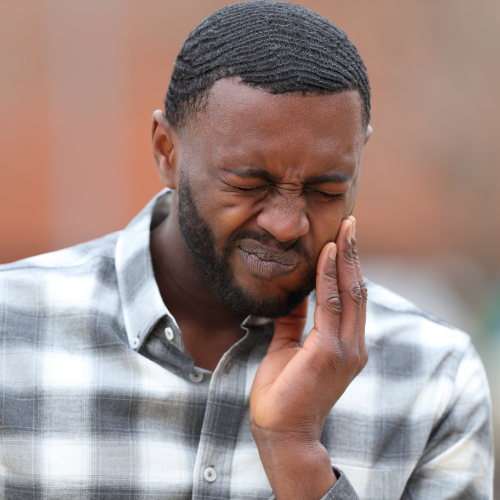
Do you suffer from persistent jaw discomfort, or difficulty opening and closing your mouth? These are common symptoms of Temporomandibular Joint (TMJ) pain, a prevalent condition affecting millions worldwide. At Parkside Physiotherapy and Rehabilitation Centre, we strive to help you understand the common causes of TMJ pain and guide you toward effective relief and improved quality of life.
The most frequent conditions leading to TMJ pain are:
- Temporomandibular Joint Dysfunction (TMD): TMD is primarily caused by muscle imbalances, jaw joint misalignments, or damaged cartilage due to trauma or degenerative changes. TMD patients often experience pain, stiffness, clicking sounds, and restricted jaw movement.
- Bruxism: Habitual teeth grinding or clenching, often occurring during sleep, can result in excessive wear on the teeth and TMJ, leading to pain and joint inflammation.
- Arthritis: Osteoarthritis and rheumatoid arthritis can cause inflammation and degeneration of the TMJ, resulting in chronic pain and impaired jaw function.
- Stress and Anxiety: Psychological factors, such as stress and anxiety, can lead to increased muscle tension and involuntary jaw clenching, exacerbating TMJ pain.
- Poor Posture: Sitting or standing improperly, especially for extended periods, can strain the neck and jaw muscles, contributing to TMJ pain.
The limitations and issues associated with these conditions include difficulty eating, speaking, sleeping, headaches, earaches, and neck pain. These symptoms can significantly impact daily life, work performance, and social interactions.
Fortunately, Parkside Physiotherapy and Rehabilitation Centre in Mississauga, ON is here to help you overcome these challenges. Our highly trained practitioners will help you alleviate TMJ pain and restore optimal jaw function. We also provide personalized education on stress management and self-care strategies, empowering you to maintain long-lasting relief and prevent future issues.
Experience Lasting Relief with A Multidisciplinary Approach to TMJ
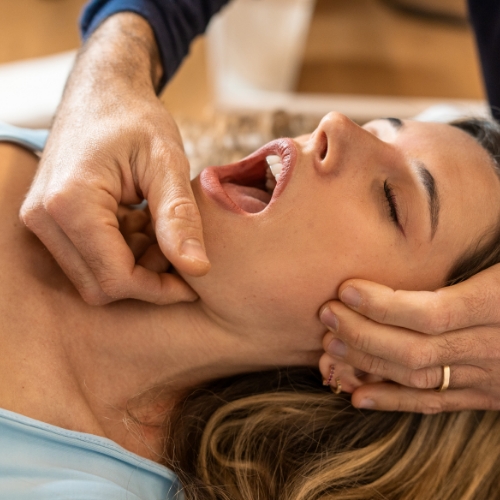
Our Parkside Physiotherapy and Rehabilitation Centre team will conduct a comprehensive evaluation to understand each patient’s unique experience with TMJ dysfunction thoroughly. We’ll start by reviewing your medical history during your comprehensive evaluation to understand potential contributing factors and previous treatments. They will then conduct a hands-on assessment of the TMJ, muscles, and surrounding structures to identify signs of dysfunction.
Next, we’ll perform a range of motion and strength testing to evaluate your current jaw function and pinpoint areas for improvement. Finally, they will utilize specialized testing for TMJ function to ensure an accurate diagnosis and develop a targeted treatment plan tailored to your unique needs.
Our practitioners rely on evidence-based practices to create personalized treatment plans that address the root causes of your TMJ pain. These treatments will include the following:
- Manual therapy: Our multidisciplinary team uses skilled hands-on techniques to improve joint mobility and relieve muscle tension in the jaw and neck.
- Targeted exercises: Customized exercises designed to strengthen and stabilize the muscles around the TMJ, enhancing function and reducing pain.
- Posture education: Guidance on proper head and neck alignment to reduce strain on the TMJ and surrounding structures.
- Relaxation techniques: Training in cognitive behavioral therapy, deep breathing and stress management to help alleviate muscle tension and reduce TMJ pain.
- Home exercise program: Personalized exercise routines and self-care strategies to empower you to manage your TMJ symptoms effectively at home.
Our Treatment Plans for TMJ Disorder
Physiotherapy for TMJ Disorders
Temporomandibular joint (TMJ) disorders can cause significant discomfort, affecting your ability to speak, chew, or even open your mouth. Physiotherapists specialize in assessing and treating these conditions by improving jaw mobility and reducing pain. Manual therapy techniques, such as joint mobilizations and soft tissue release, are used to decrease tension and restore proper movement to the jaw. Strengthening exercises and postural adjustments help reduce strain on the jaw, promoting long-term relief from TMJ pain.
Chiropractic Care for TMJ Disorders
Chiropractors can address TMJ disorders by focusing on the alignment of the spine and jaw. Misalignments in the neck or upper spine can contribute to jaw pain, tension, and dysfunction. Through spinal adjustments and gentle mobilizations, chiropractors aim to restore balance and alignment, reducing pressure on the jaw and surrounding muscles. This holistic approach helps alleviate pain and improves overall jaw function, providing relief from TMJ symptoms.
Massage Therapy for TMJ Disorders
Massage therapy is a beneficial treatment for TMJ disorders, as it targets the muscles surrounding the jaw, neck, and face. Techniques such as myofascial release and trigger point therapy help release muscle tightness and reduce jaw clenching, which is often a contributing factor to TMJ pain. By improving blood circulation and relaxing the muscles, massage therapy helps decrease pain, reduce inflammation, and promote relaxation in the jaw area, supporting long-term relief from TMJ discomfort.
Acupuncture for TMJ Disorders
Acupuncture offers an alternative approach to relieving TMJ pain by targeting specific points on the body to restore energy flow and reduce tension in the jaw and facial muscles. Acupuncture can help decrease inflammation, relieve muscle spasms, and promote relaxation, all of which are key to managing TMJ symptoms. This technique aims to balance the body’s energy, reduce pain, and improve overall function, providing a holistic option for those suffering from TMJ disorders.
Osteopathic Manual Therapy for TMJ Relief
Osteopathic Manual Therapy takes a whole-body approach to treating TMJ, emphasizing the connection between the musculoskeletal system and overall health. Osteopathic Manual Therapists use hands-on techniques such as stretching, soft tissue manipulation, and joint mobilization to alleviate tension and improve jaw alignment. This approach helps relieve pain, enhances circulation, and promotes healing in the affected areas. Osteopathic Manual Therapy often includes personalized advice on posture and movement to perform at home. By addressing both symptoms and root causes, osteopathic manual therapy supports a comprehensive recovery process.
As you progress through your individualized treatment plan, our multidisciplinary team will regularly assess your progress and set results-oriented goals. This goal-setting approach ensures your rehabilitation journey is both measurable and rewarding.
Take the first step towards lasting relief and improved function. Schedule your comprehensive evaluation with our practitioners today!